
Laser cutting and engraving machines
CO₂ Laser Cutters & Engravers — professional laser cutting & engraving machines from 80W to 300W for wood, MDF, plexiglass, acrylic, fabric, leather, paper and other non-metallic materials. From compact 500×700 (€4.000) to industrial 2000×4000 (€28.000), with autofocus, servo or stepper drive, training, installation and service support throughout Greece.
- Installation & operator training
- Service & spare parts in Athens
- 24/7 technical support for our machines
Showing all 10 results
-
−19%Laser cutting and engraving machines

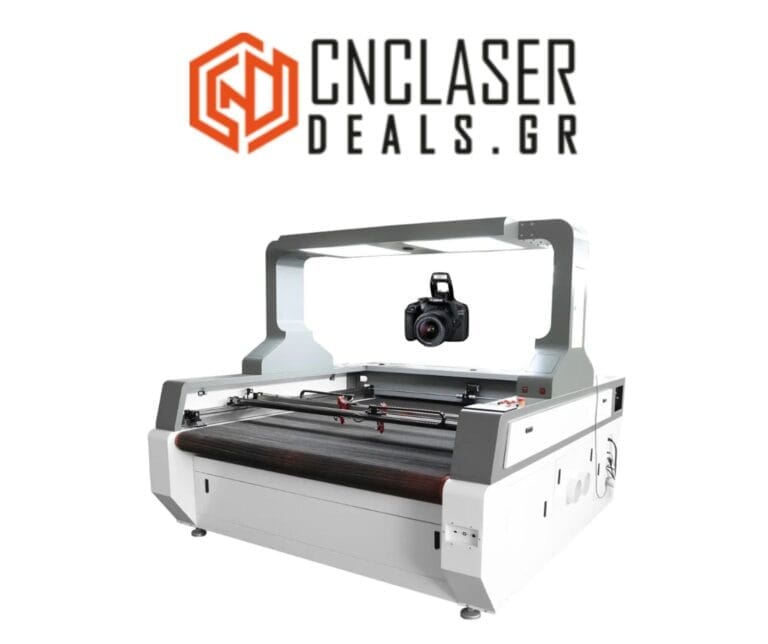
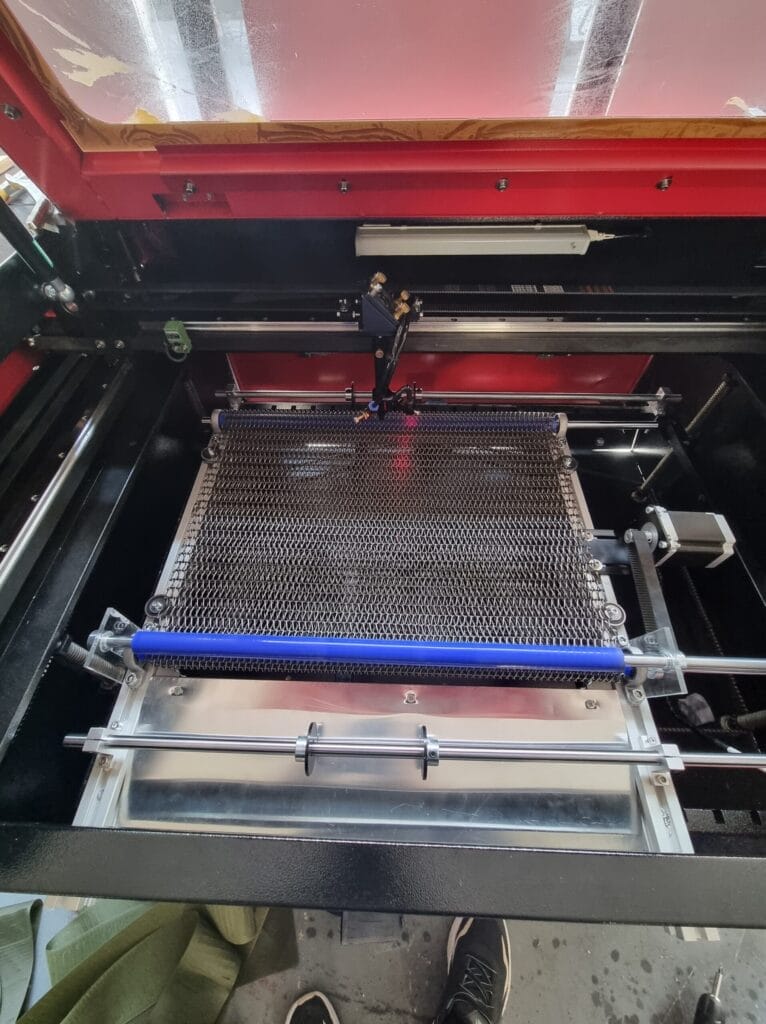
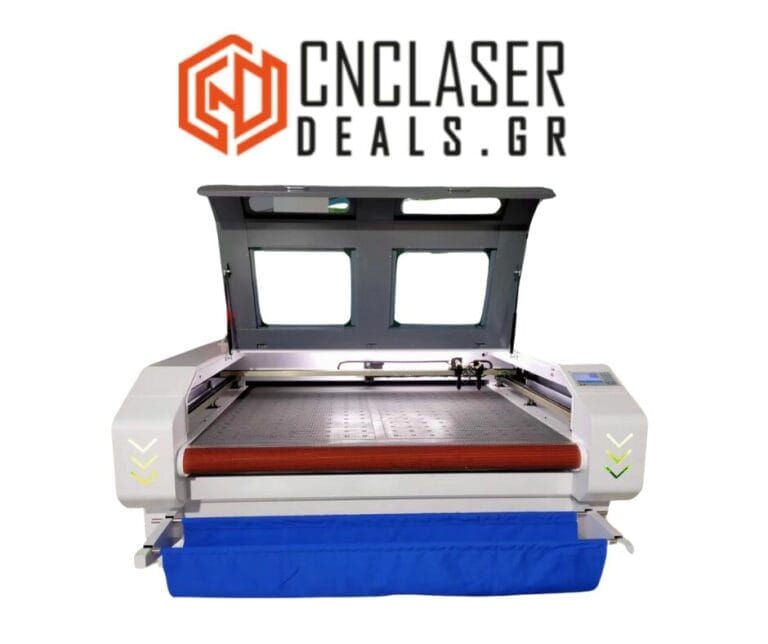
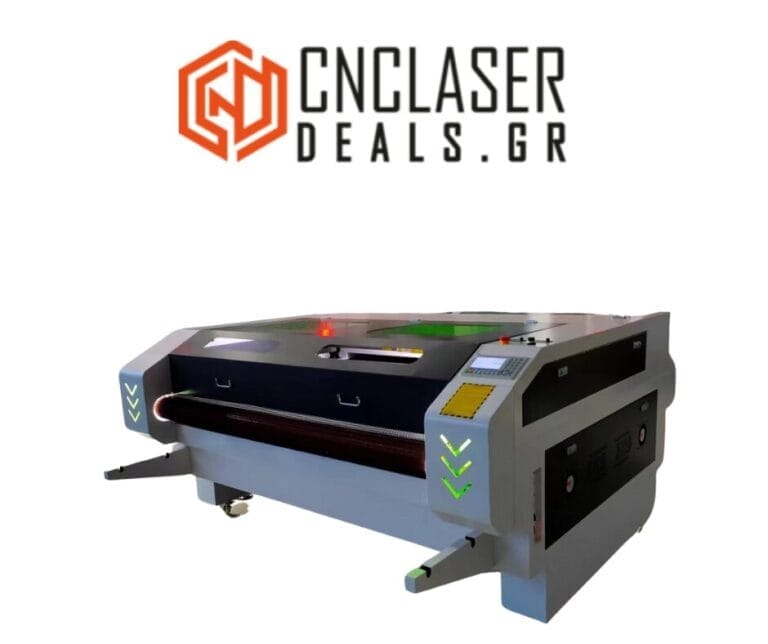
Fabric CO2 Laser Cutter for fabric cutting with camera
- 1800×1200 mm
- 100–180W
- CCD camera · Conveyor
Ideal for: Fabric cutting with pattern recognition
From: Original price was: €24,300.00.€19,800.00Current price is: €19,800.00. + 24% VAT- 24/7 support (our customers)
-
Laser cutting and engraving machines

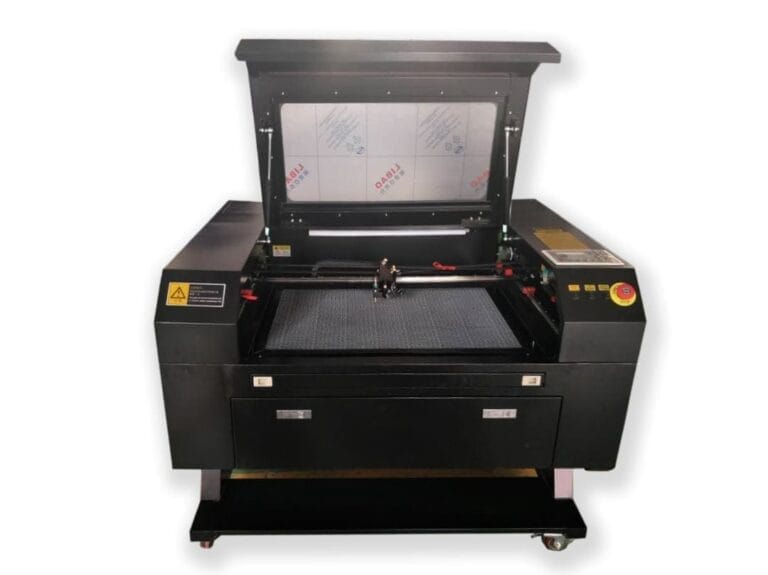
Co2 laser cutting machine 500×700 80W – 100w – automatic up and down table – Professional
- 500×700 mm
- 80–100W
- Autofocus
Ideal for: Wood & acrylic up to 20 mm
From: €5,000.00 + 24% VAT- Live demo at our workshop
- 24/7 support (our customers)
-
−16%Laser cutting and engraving machines
co2 laser velcro cutting machine 450mm x unlimited velcro – 100w – servo motors – custom build
- 450 mm × unlimited
- 80–100W
- Servo · Autofeed
Ideal for: Velcro, fabrics, foam materials
From: Original price was: €16,000.00.€13,400.00Current price is: €13,400.00. + 24% VAT- Live demo at our workshop
- 24/7 support (our customers)
-
Laser cutting and engraving machines

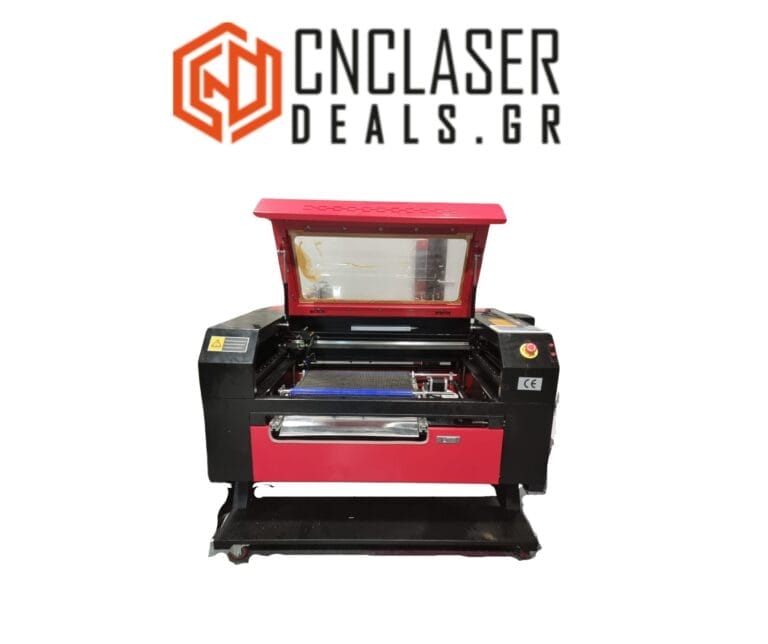
Co2 laser cutting machine 900×600 100w – autofocus
- 900×600 mm
- 100–130W
- Autofocus
Ideal for: Cutting & engraving wood, acrylic, MDF
From: €6,000.00 + 24% VAT- Live demo at our workshop
-
Laser cutting and engraving machines

CO2 laser cutting machine 1300×900- 130 – 150w – autofocus
- 1300×900 mm
- 130–150W
- Autofocus
Ideal for: Cutting & engraving wood, acrylic, MDF
From: €7,000.00 + 24% VAT- Live demo at our workshop
-
−10%Laser cutting and engraving machines
co2 laser cutting machine 1400×1000 – 130W – 150 W – 180W servo motors – autofocus – Professional
- 1400×1000 mm
- 130–180W
- Servo · Autofocus
Ideal for: Cutting & engraving non-metallic materials
From: Original price was: €9,400.00.€8,500.00Current price is: €8,500.00. + 24% VAT- 24/7 support (our customers)
-
−18%Laser cutting and engraving machines
co2 laser cutting machine-1600×1000 – 130W – 150 W – 180W servo motors auto feeding automatic material feeding
- 1600×1000 mm
- 130–180W
- Servo · Auto feeding
Ideal for: Cutting & engraving non-metallic materials
From: Original price was: €16,800.00.€13,800.00Current price is: €13,800.00. + 24% VAT- 24/7 support (our customers)
-
Metal Cutting with CO2 Laser
co2 laser cutter metal cut 1300×2500 for metal & non-metallic materials
- 1300×2500 mm
- 130–200W CO₂
- Metal & non-metals
Ideal for: Thin stainless steel, sheet metal, plexiglass, wood, fabrics
From: €18,000.00 + 24% VAT- Live demo at our workshop
-
Metal Cutting with CO2 Laser
co2 laser cutter metal cut 1500×3000 for cutting metals & non-metallic materials
- 1500×3000 mm
- 130–200W CO₂
- Metal & non-metals
Ideal for: Thin stainless steel, sheet metal, plexiglass, wood, fabrics
From: €24,000.00 + 24% VAT- Live demo at our workshop
-
Metal Cutting with CO2 Laser
co2 laser cutter metal cut 2000×4000 for cutting metals & non-metallic materials
- 2000×4000 mm
- 130–200W CO₂
- Metal & non-metals
Ideal for: Thin stainless steel, sheet metal, plexiglass, wood, fabrics
From: €28,000.00 + 24% VAT- Live demo at our workshop
Model comparison
All models in this category with their key specifications, from the most affordable to the largest.
| Model | Working area | Power | Feature | Ideal for | Price from |
|---|---|---|---|---|---|
| Co2 laser cutting machine 500x700 80W - 100w - automatic up and down table - Professional | 500×700 mm | 80–100W | Autofocus | Wood & acrylic up to 20 mm | €5,000 |
| Co2 laser cutting machine 900x600 100w - autofocus | 900×600 mm | 100–130W | Autofocus | Cutting & engraving wood, acrylic, MDF | €6,000 |
| CO2 laser cutting machine 1300x900- 130 - 150w - autofocus | 1300×900 mm | 130–150W | Autofocus | Cutting & engraving wood, acrylic, MDF | €7,000 |
| co2 laser cutting machine 1400x1000 - 130W - 150 W - 180W servo motors - autofocus - Professional | 1400×1000 mm | 130–180W | Servo · Autofocus | Cutting & engraving non-metal materials | €8,500 |
| co2 laser velcro cutting machine 450mm x unlimited velcro - 100w - servo motors - custom build | 450 mm × unlimited | 80–100W | Servo · Autofeed | Velcro, fabrics, foam materials | €13,400 |
| co2 laser cutting machine-1600x1000 - 130W - 150 W - 180W servo motors auto feeding automatic material feed | 1600×1000 mm | 130–180W | Servo · Auto feeding | Cutting & engraving non-metal materials | €13,800 |
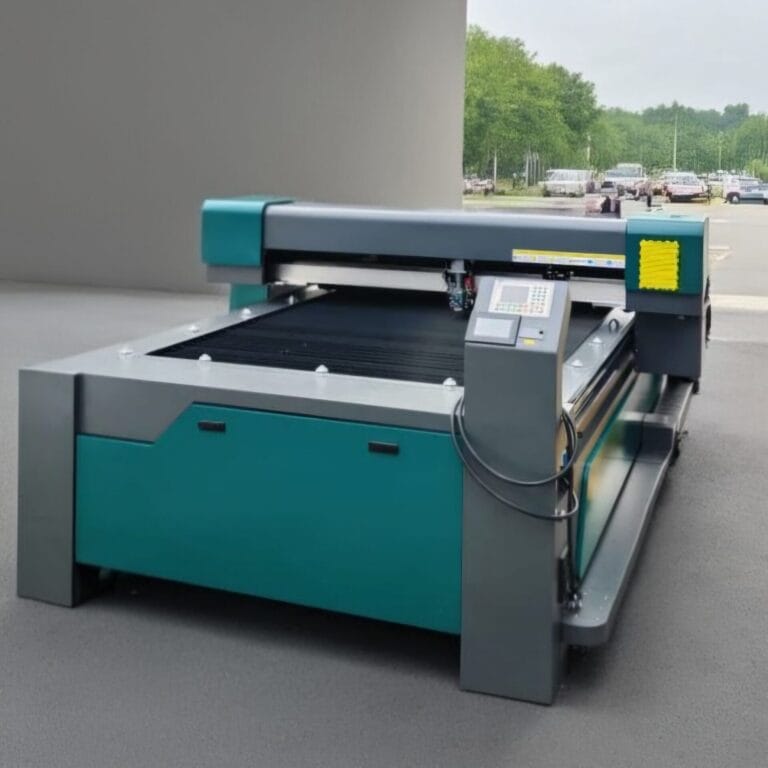
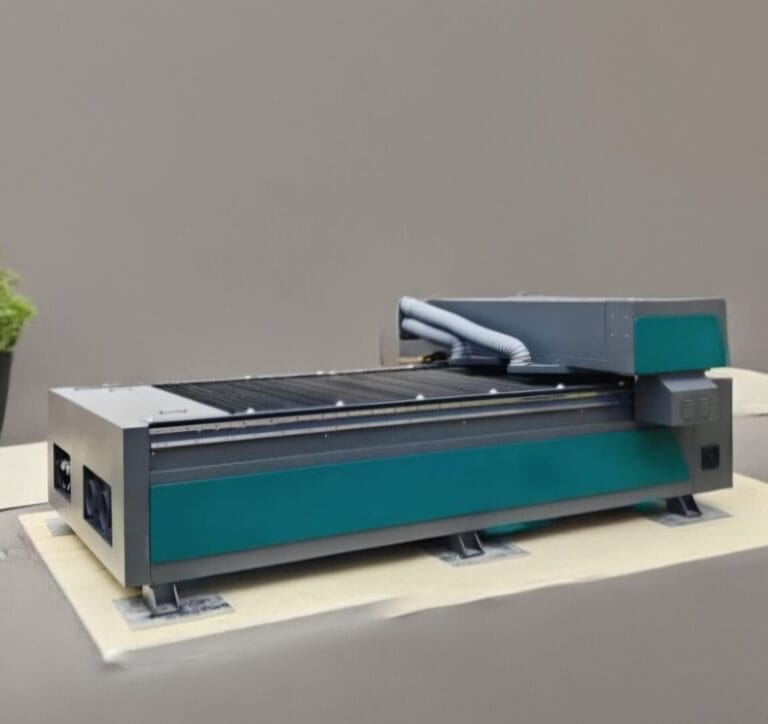
| co2 laser cutter metal cut 1300x2500 for cutting metals & non-metallic materials | 1300×2500 mm | 130–200W CO₂ | Metal & non-metals | Thin stainless steel, sheet metal, plexiglass, wood, fabrics | €18,000 |
| Fabric CO2 Laser Cutter for fabric cutting with camera | 1800×1200 mm | 100–180W | CCD camera · Conveyor | Fabric cutting with pattern recognition | €19,800 |
| co2 laser cutter metal cut 1500x3000 for cutting metals & non-metallic materials | 1500×3000 mm | 130–200W CO₂ | Metal & non-metals | Thin stainless steel, sheet metal, plexiglass, wood, fabrics | €24,000 |
| co2 laser cutter metal cut 2000x4000 for metals & non-metallic materials | 2000×4000 mm | 130–200W CO₂ | Metal & non-metals | Thin stainless steel, sheet metal, plexiglass, wood, fabrics | €28,000 |
Prices exclude 24% VAT. For a detailed quote with the extras you need, click “PDF quote” on the model.
Frequently asked questions — CO₂ Laser Cutters & Engravers
Related machine categories
- CO₂ Laser Cutter Metal Cut — cutting thin metal & non-metallic materials.
- Metal Cutting Fiber Lasers — industrial fiber lasers for metal.
- CNC Router Machines — CNC routers for wood, MDF, aluminum.
- UV Printers — printing on plexiglass, metal, wood.
n
Related guides & services
- Laser Service & Repair — technical support.
- Downloads — Software & Manuals — RDWorks and more.
- Metal Laser Cutting & Engraving — metal applications.
- Plexiglass Laser Cutting — acrylic & plexiglass.
- Metal Cutting Fiber Lasers — for inox & aluminum, with no thickness limit.
- CO2 Laser Cutter Buying Guide 2026 — how to choose the right model.
More questions
What can a CO₂ Laser Cutter cut?
CO₂ laser cutters cut wood, MDF, plexiglass, acrylic, fabric, leather, paper, rubber. Standard CO₂ lasers do NOT cut metals — for metals you need a Fiber Laser.
How much does a CO₂ Laser Cutter cost?
From €4.000 for a compact 500×700 80W up to €28.000 for an industrial Metal Cut 2000×4000. B2B prices excluding VAT.
Do I need a water chiller?
Yes — CW-3000 (€350) for 80-100W tubes or CW-5200 (€590) for 130W+ tubes. Proper cooling triples the tube's service life.
How long does the CO₂ tube last?
Net runtime of 6.000-8.000 hours. With proper use and cooling it reaches 10.000+ hours. Replacement tubes €490-€1.450.
Does the special "Metal Cut" version cut metals?
Yes — the Metal Cut versions (€18-28K) with assist air cut thin metal sheets up to 4mm. For thicker metals or production cutting, Fiber Lasers are superior.
What CAM software does it support?
RDWorks or LightBurn. We support import from Adobe Illustrator, CorelDRAW, AutoCAD.
Do you provide warranty & service?
12-month warranty on the entire machine. Service contract option for annual preventive maintenance, spare parts and remote support.